
How to Make Money on Pinterest by Posting: A Practical Guide"

Oct 23, 2026 · Guides · 11 min read
You can make money on Pinterest by posting useful Pins that lead to affiliate offers, your products, services, or a monetized website. Revenue comes from qualifying purchases, customer payments, advertising, or brand agreements, rather than impressions alone. Start with one audience and one offer, then measure confirmed outcomes. For international campaigns, regional connection checks help you inspect destination pages; they do not guarantee distribution or sales.
TL;DR
Learning how to make money on Pinterest by posting means connecting a useful visual to a clear payment mechanism. Choose who pays you, match the Pin to a relevant destination, disclose commercial relationships, and track outbound clicks, approved conversions, and costs separately. Use proxy resources only when you have a defined routing or regional inspection need. Build one measurable visitor journey before expanding content, advertising, or infrastructure spending.
How do Pinterest posts turn into income?
Pinterest helps people discover content. Your monetization arrangement determines which actions earn money and where to confirm payment. Pick one route for your first campaign so you can identify what worked.
Method |
Who pays you |
What earns revenue |
Required assets |
Where to check income |
|---|---|---|---|---|
Affiliate marketing |
Merchant or affiliate network |
A qualifying action approved under program terms |
Accepted promotional channel, useful recommendations, disclosure |
Affiliate transaction and payout reports |
Your own products |
Customers |
Completed product purchases |
Store, relevant products, delivery or fulfillment |
Store orders and payment processor |
Monetized website |
Advertising or commercial partners |
Eligible activity under the agreement |
Useful website meeting partner requirements |
Partner earnings and payment reports |
Services |
Clients |
Paid bookings or agreed work |
Clear offer, evidence of capability, booking or contact page |
Invoices, booking records, payments |
Sponsored content |
Brands |
Contracted content or campaign deliverables |
Relevant audience, agreed terms, sponsorship disclosure |
Contract, invoice, payment records |
Can you get paid on Pinterest?
Yes, through the arrangements above. Posting itself does not establish a universal per-view payment. If you are searching for how to earn money from Pinterest app, the app can help you publish and reach interested people, while the payment usually comes through a merchant, customer, partner, or brand. Check any specific funding opportunity independently for current availability and eligibility; older references to creator rewards are not a business plan.
How to start in seven practical steps
Step 1: Pick one audience, offer, and payment outcome
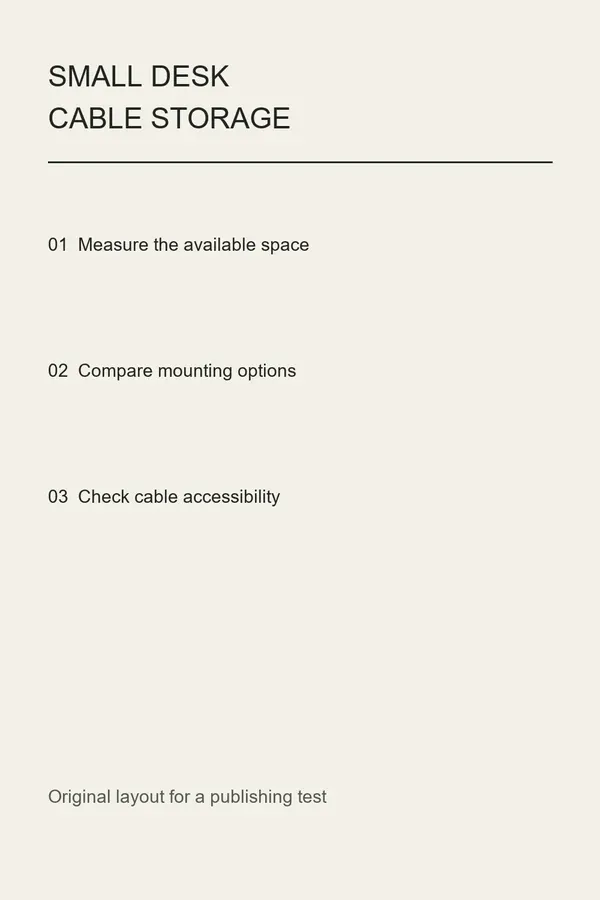
Choose a problem you can explain and illustrate accurately. “Cable storage for a small home-office desk” is a useful starting point because it suggests products, comparisons, and a reader need. Select a destination that solves that problem, then define the primary outcome: an approved commission, a product sale, or a paid booking.
Estimate costs before adding tools. Suppose 1,000 tracked destination visits lead to 20 approved commissions of $5 each. That is $100 gross commission. If hypothetical campaign costs are $30 for content, $10 for software, and $10 for a necessary proxy allocation, the remainder is $50 before tax and any other expenses. Adding $60 of advertising would make the same example negative $10. These assumptions illustrate the arithmetic; they are not expected results, current ROLA prices, or proof that proxy spending increases income. Include labor, fulfillment, refunds, and other relevant costs in your own calculation.
Step 2: Prepare a business account and a working destination
Use a business account to access the business tools available to you. Describe your subject clearly and create boards around reader needs. If you own a website, follow Pinterest’s claiming instructions. Confirm that your destination works on mobile and has the disclosures, contact information, and purchase or booking path your offer requires.
For client work, document account authorization and use official collaboration features where available. Account permissions and browser state must be managed separately from network routing. A proxy does not grant permission to operate an account.
Step 3: Find Pinterest search terms that match your offer
Collect relevant phrases from search suggestions, visible results, and available trend tools. Treat suggestions as evidence of wording and intent, rather than verified search-volume figures. A desk campaign could cover cable clips, under-desk trays, or renter-friendly cable storage. Each Pin should answer one question and lead to the matching page.
Use a phrase naturally in the title, description, and relevant board context. On your website, use a descriptive page title, useful headings, and image alt text. Google SEO for your article and Pinterest discovery are different systems; repeating keywords does not guarantee success in either.
Step 4: Create a useful original visual
Use original photographs, licensed product images, or genuine process screenshots. Keep the headline readable on a phone and avoid unsupported earnings promises. Reuse a layout when useful, but give each Pin a distinct image, explanation, or angle.
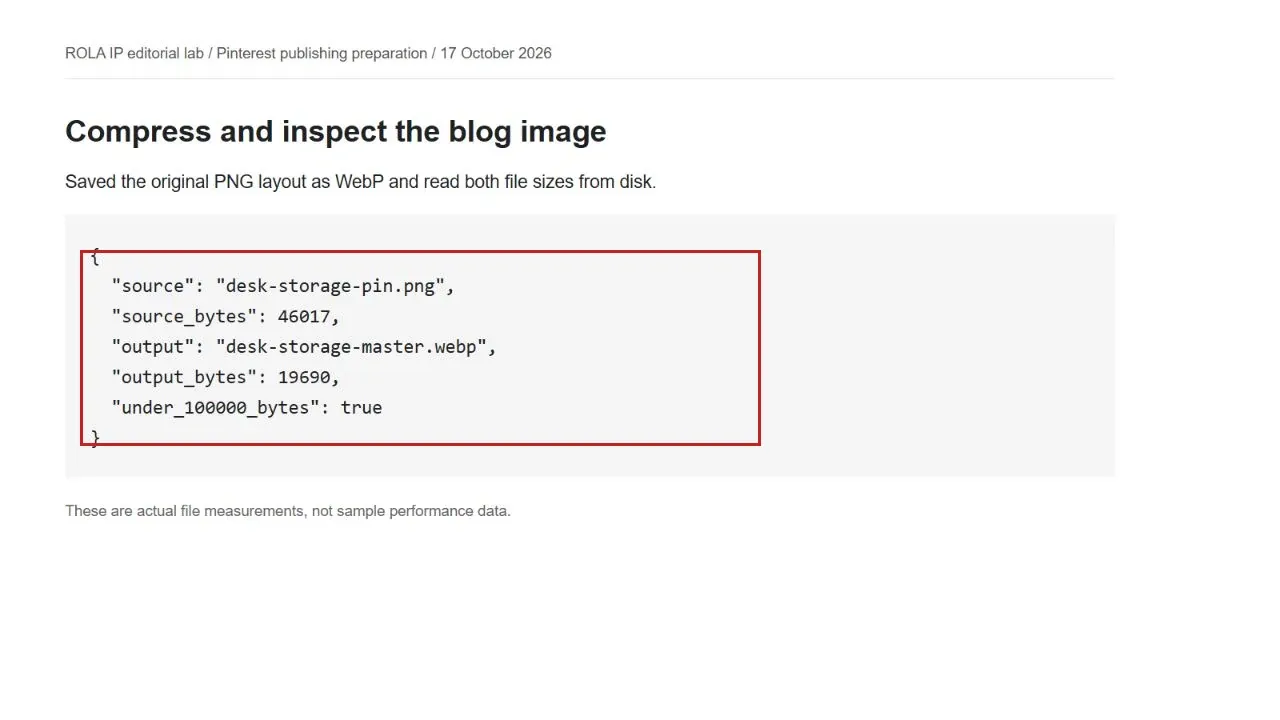
Pinterest’s specifications for standard image formats recommend a 2:3 ratio, such as 1000 × 1500 pixels, in the standard image section, which also covers organic impressions. Follow the upload format and limits for the specific publishing tool you use. The WebP files accompanying this article are blog illustrations, not evidence that WebP is accepted by that Pinterest uploader.
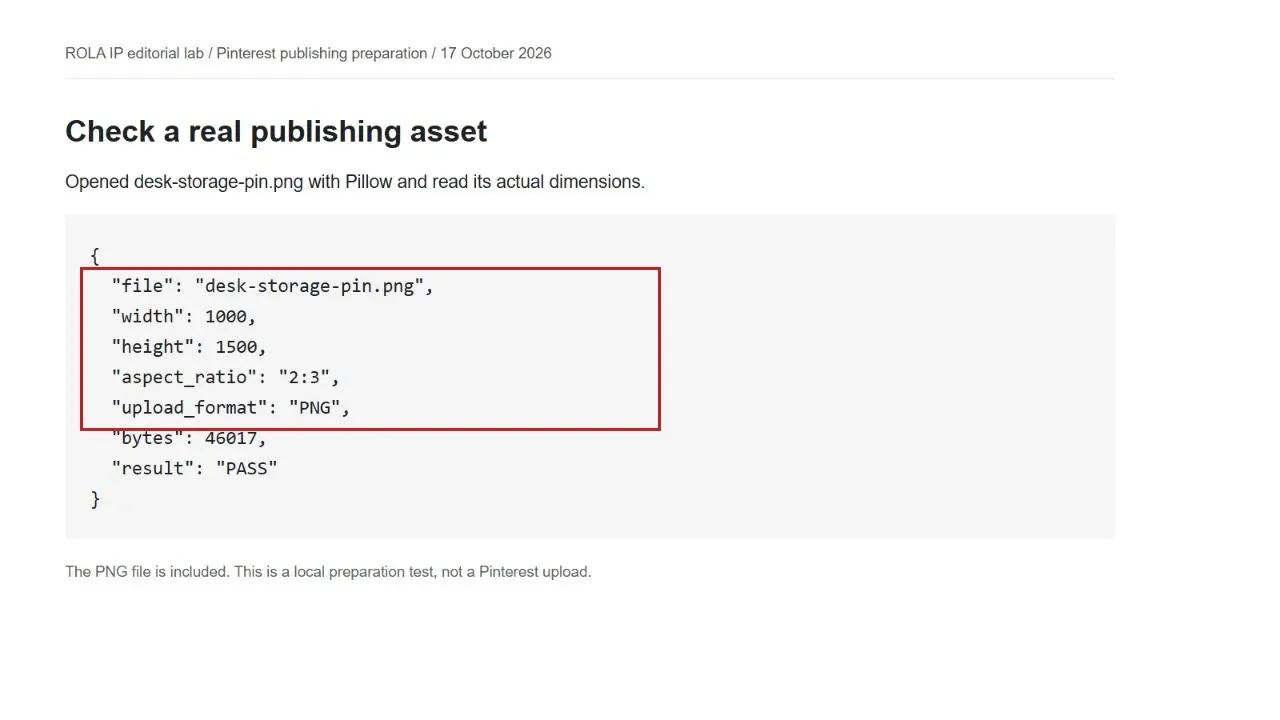
Step 5: Prepare a complete Pin draft and check its link
The following draft shows how the pieces fit together. It has not been published and does not represent an earnings case study.
Audience: People organizing a small home-office desk.
Pin title: Three Cable Storage Options for a Small Desk.
Description: Compare under-desk trays, adhesive clips, and cable sleeves by mounting method, available space, and ease of access. Read the guide before choosing an option.
Disclosure when applicable: Ad — I may earn a commission from qualifying purchases. Follow the wording and placement required by your market and program; this example is not a universal compliance formula.
Board topic: Small Home Office Organization.
Destination: Your own relevant comparison guide containing verified product links and disclosures. Insert your actual working URL; this example does not supply a live commercial page.
Measurement: Record outbound clicks, destination visits, approved affiliate actions, and costs separately.
Open the actual destination before publishing. Check that it delivers the promised comparison and that its links reach the expected products. For URLs you control, appropriate campaign parameters may help separate content variants. For direct affiliate URLs, use only the program’s allowed link and tracking format. Parsing parameters successfully does not verify merchant attribution.
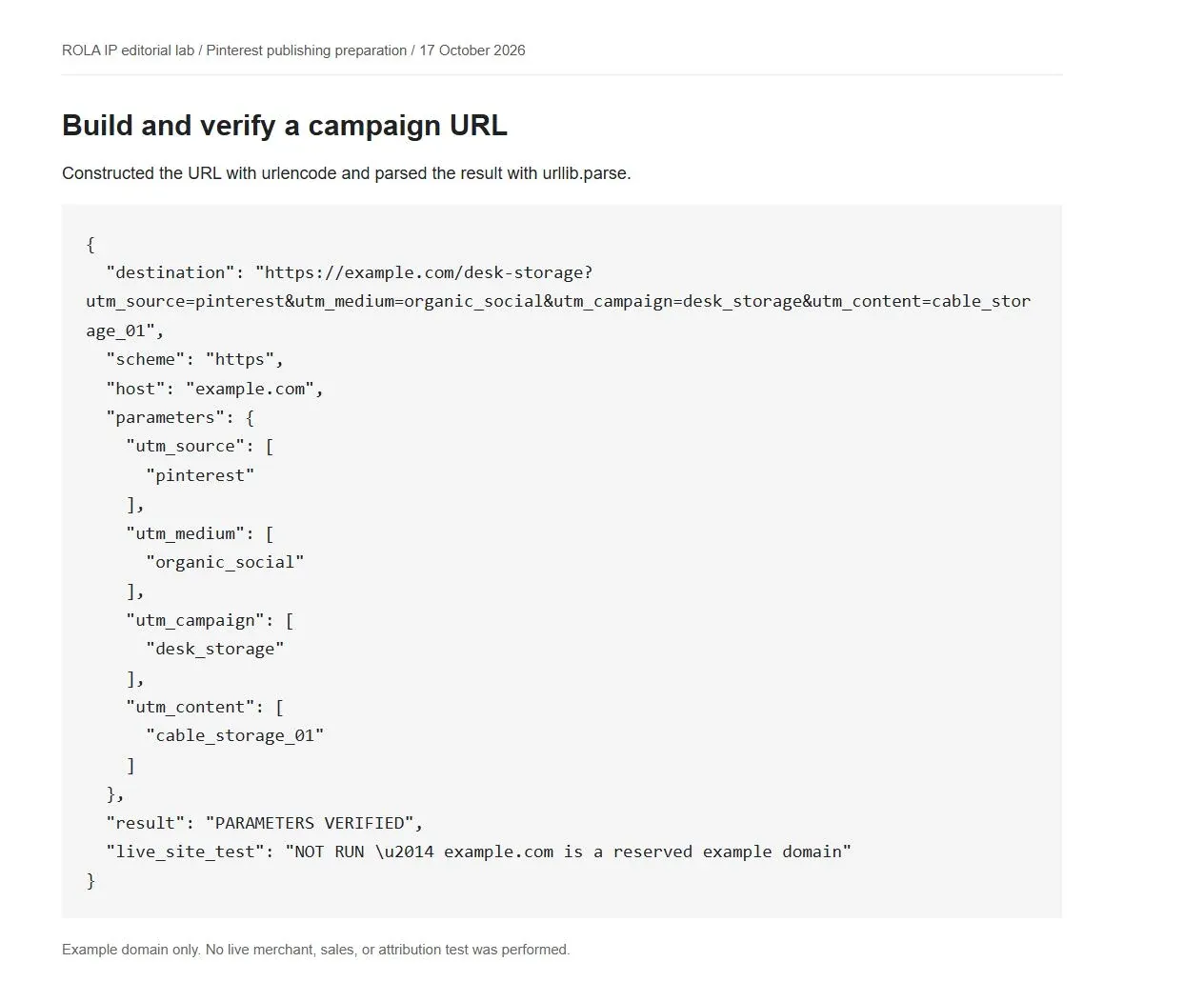
Step 6: Publish consistently and maintain the offer
Choose a routine you can sustain while making original content. Three to five distinct Pins per week can be a manageable initial experiment, rather than a platform requirement or an optimal number for every account. Review destination links, account notices, and offer availability each week. Improve useful angles rather than republishing near-identical promotions to meet a quota.
If you want to learn how to grow on Pinterest, organize content around related reader questions and assess which topics produce qualified visits. Language, relevance, seasonality, creative quality, and destination usefulness belong in this work. Changing an IP is not a substitute for them.
Step 7: Measure clicks, conversions, and net returns
Use Pinterest Analytics metric definitions to interpret discovery and outbound activity. Business-account access and some reporting features can have eligibility conditions. Keep reporting periods and filters consistent, and expect recent figures to change.
| Measure | What it tells you | Practical next step |
|---|---|---|
| Impressions | How often the Pin was displayed | Assess whether the topic and creative are being discovered |
| Outbound clicks and rate | Visits initiated toward the destination; rate is outbound clicks divided by impressions | Check whether the Pin gives a relevant reason to leave Pinterest |
| Recorded destination visits | What your website analytics actually recorded | Check consent, tracking, redirects, and reporting differences |
| Approved conversions and commissions | Which eligible actions the merchant accepted | Inspect offer fit, market support, validation periods, and reversals |
| Net campaign return | Revenue less the costs you included | Keep, revise, or stop spending based on the actual economics |
An outbound click is not necessarily a recorded session or a sale. Different attribution windows and definitions can prevent the systems from matching exactly. Label your QA visits and exclude them where your tools support it. Consider paid distribution only after the destination and economics justify a budgeted experiment. If you also run paid campaigns and need to inspect how ads appear in different locations, see this guide to proxies for ad verification; that workflow is separate from measuring organic Pin performance.
How to do affiliate marketing on Pinterest
The answer to how to make money on Pinterest affiliate marketing is to recommend something useful through an allowed link and earn a commission when an eligible action is approved. Check the program’s accepted countries, channels, image rights, direct-link rules, and validation period before publishing. A technically working URL does not prove that the promotional method is allowed.
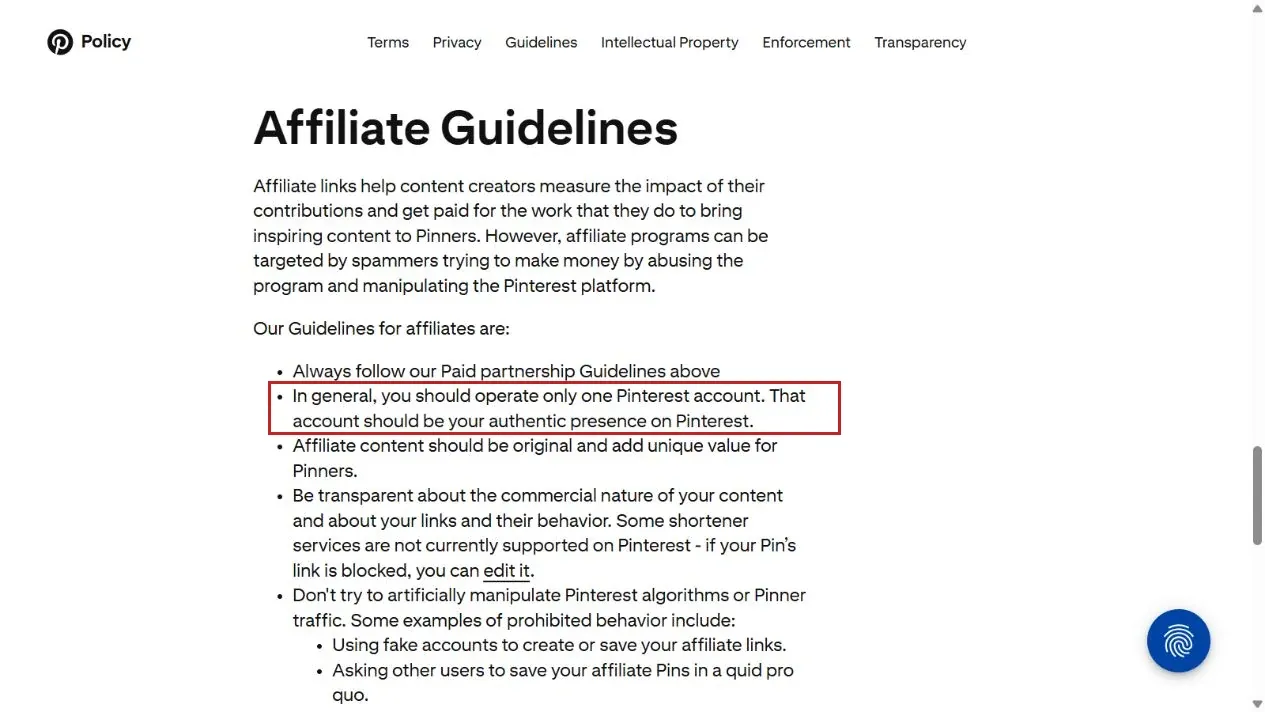
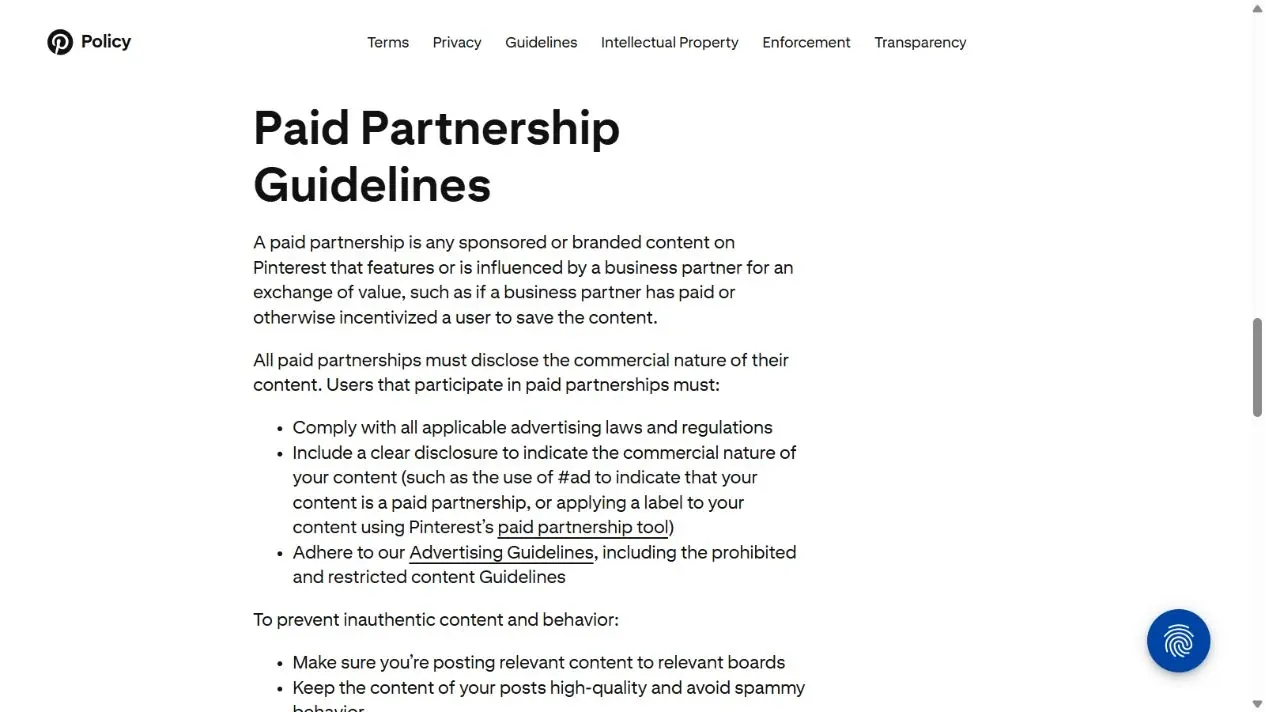
Pinterest’s commercial and affiliate guidelines require original, valuable affiliate content and transparent commercial relationships. They generally call for one account representing your authentic presence and prohibit artificial amplification. That affiliate guidance should not be rewritten as a blanket ban on an authorized agency serving separate clients. Avoid repetitive or bulk affiliate posting and verify the requirements of each program independently.
Choose a direct link only when permitted and useful. A comparison guide can be better when readers need explanations, limitations, and alternatives. In either route, keep the destination accurate and the commercial relationship clear.
When does a Pinterest business need a proxy?
A proxy becomes relevant when there is a specific routing requirement: maintaining a consistent authorized connection, inspecting a regional store, or checking a permitted Pin-to-product journey. A beginner with one account and reliable access may not need one. Select the resource around the task rather than buying a larger IP pool in anticipation of more traffic.
| Task | Resource to evaluate | What to verify |
|---|---|---|
| Ongoing authorized account work requiring a fixed route | Dedicated static residential IP | Assigned location, authentication, measured connection reliability, plan validity |
| One continuous Pin-to-product inspection | Static IP or a supported sticky session | Suitable exit throughout the flow and intended browser state |
| Independent regional destination checks | Rotating residential routing with separate test sessions | Observed exit location, destination behavior, usage, supported markets |
Static IP allocation and sticky sessions are different controls. Static allocation assigns a fixed address under the product’s terms. A sticky session asks a rotating pool to retain an assigned exit for a supported period; endpoint availability and provider behavior still matter. Neither control stores cookies or browser login state, and neither guarantees account safety or earnings.
ROLA’s static residential proxies page describes dedicated fixed IPs, per-IP billing, and unlimited traffic within the validity period. Its rotating residential proxies page presents traffic-based options. These product descriptions were reviewed on October 19, 2026; they are not performance measurements from this article. Verify the selected location, minimum purchase, expiry, session settings, retry traffic charges, and target restrictions before paying. This guide does not infer a contractual SLA from marketing success-rate or uptime figures.
How do you check a Pin’s destination across countries?
This is a suggested workflow for a destination you own or are authorized to inspect. It is not a report of a completed regional proxy test. Use it when the offer serves several markets and you need to check the route from the Pin to the intended store.
- Set the baseline. Confirm the affiliate program supports the intended market and channel. On your normal approved connection, record the test time and time zone, target market, Pin destination, expected store and currency, device/browser, language, cookie state, and sign-in state where relevant. Keep the same client and browser conditions for comparison.
- Verify the route. Configure the assigned proxy endpoint and authentication, keeping credentials private. In the same browser, check the public exit IP and note the observed address and location source. A selected country or browser IP check does not verify a separately configured script; geolocation databases may also differ.
- Check the final destination. Open the actual Pin link and record the redirects and final URL. Confirm the expected store, product, currency, availability, and relevant product links. Note any differences caused by cookies, language, delivery address, or account region. Do not make a purchase just to complete QA.
- Record the outcome and stop when needed. A pass means the observed route is verified, the final page matches the intended store and product, and there is no unresolved redirect or link mismatch. Record the environment, route, result, and any limitation together. Link parameters do not prove affiliate attribution; mark commissions as untested unless confirmed through the program’s permitted reporting process. Label QA traffic and exclude it from performance reports where possible. If access is refused, rate-limited, or blocked by an unresolved verification step, stop or defer; do not rotate IPs to evade the restriction.
A different currency or unexpected region is a reason to investigate, not automatically a proxy failure: the store may use other location signals. Treat an unverified exit or blocked page as inconclusive or failed, not as a successful check.
Conclusion
To make money on Pinterest by posting, connect useful original Pins to a relevant offer, disclose commercial relationships, and track approved conversions and net returns—not impressions alone. Start with one audience and one measurable visitor journey, then expand only when the results justify the time and cost.
Most beginners do not need a proxy to start. Consider ROLA IP only when an authorized regional inspection or a defined routing requirement makes it useful. A proxy cannot guarantee Pinterest distribution, account eligibility, affiliate attribution, or earnings. If that operational need applies, review ROLA IP’s Pinterest proxy workflow and assess the cost against your campaign economics.