Oxylabs Review 2026: Pricing, Speed, and Proxy Quality

Aug 7, 2026 · Comparisons · 11 min read
This Oxylabs review evaluates the provider’s residential, datacenter, Internet Service Provider (ISP), and mobile proxies, alongside Web Scraper API, Web Unblocker, SERP Scraper API, and E-commerce Scraper API. It examines performance, IP quality, geo-targeting, managed API output, onboarding, support, and total cost for teams comparing premium proxy infrastructure.
Executive Summary
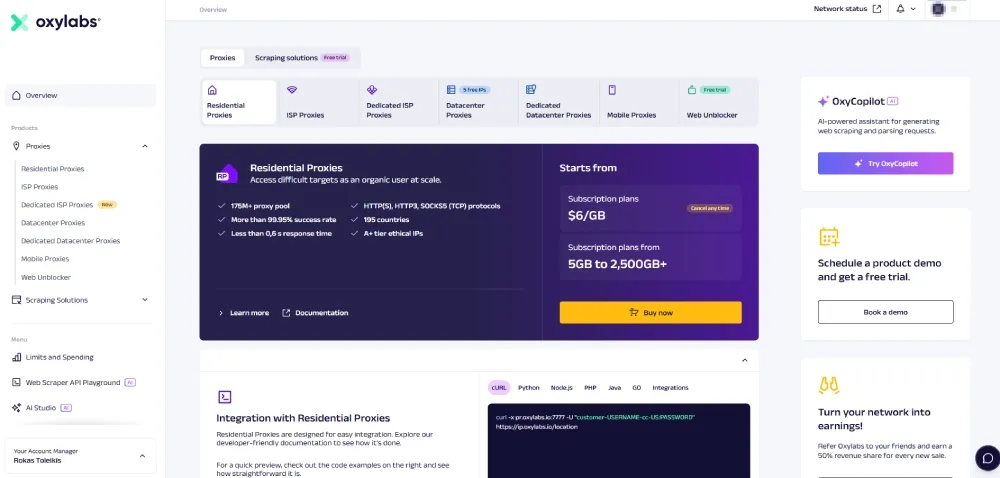
TL;DR: Oxylabs is a premium, enterprise-first proxy provider with high residential proxy reliability, clean IP reputation, precise geo-targeting, and effective managed scraping APIs. It is particularly strong for large e-commerce, search, ad-verification, and market-intelligence programs. The trade-offs are high entry pricing, strict KYC, limited trial access, and a service model that gives its best support to larger accounts.
Best for: Enterprise teams operating high-volume, multi-market data projects where failed requests, CAPTCHAs, and internal maintenance create material costs.
Main strengths: Strong request success, stable p95 and p99 latency, city/ZIP/Autonomous System Number (ASN) targeting, low fraud-risk IPs, and APIs that handle retries, browser fingerprints, and structured data delivery.
Main limitations: Residential traffic and managed APIs are expensive at low volume. The residential onboarding process can take one to two days, trial access is constrained, and available inventory is less predictable in specific cities across long-tail markets.
What Is Oxylabs, and Is It Legit?
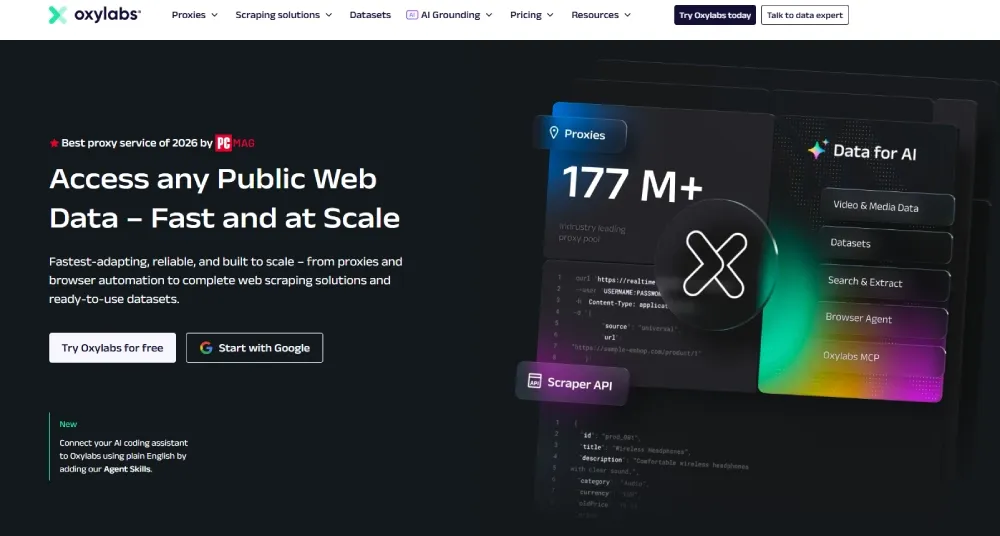
Oxylabs is a commercial provider of proxy infrastructure and managed public-web data collection services. Its direct products provide network egress, authentication, IP rotation, sticky sessions, and geo-targeting. Its APIs package proxy routing with browser execution, retries, anti-bot handling, and, for supported targets, structured data extraction.
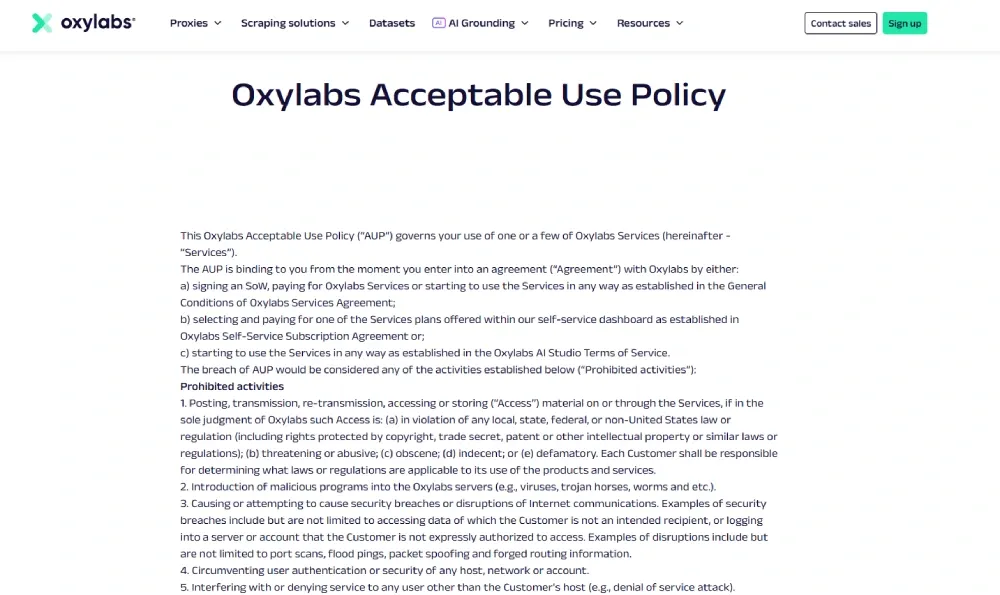
The business is legitimate as a commercial infrastructure provider. Lawful use still depends on the data being collected, local law, and the target site’s access rules. Oxylabs maintains an acceptable-use policy and applies KYC checks to residential access. Those controls do not guarantee that every automated request will be accepted by a destination, but they help explain why its residential pool generally carries lower fraud-risk signals than cheaper, less controlled sources.
Customers are not only buying an IP address. They are buying a choice between direct technical control and a managed delivery layer. Direct proxies suit teams that already own their HTTP clients, parsers, observability, and retry policy.
Managed APIs suit teams that value successful page delivery or parsed fields more than low-level routing control. This distinction is central to Oxylabs’ pricing: Web Unblocker costs more because it absorbs much of the infrastructure work that a direct proxy alone does not perform.
Oxylabs Product Suite
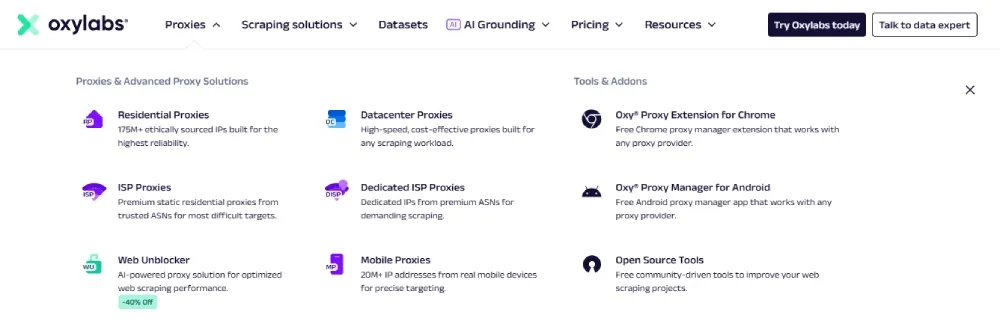
Oxylabs separates its platform into proxy networks and managed APIs. Residential proxies are the broadest choice for consumer-facing websites and localized experiences. Datacenter proxies prioritize throughput and price. ISP proxies combine a more stable address with ISP routing characteristics, while mobile proxies use carrier-network egress for workloads that need that context.
The managed portfolio includes Web Scraper API, Web Unblocker, SERP Scraper API, and E-commerce Scraper API. They return pages or structured records after handling common delivery failures, reducing customer-side infrastructure work while increasing per-request cost and parser dependency.
| Decision factor | Direct proxies | Managed APIs |
|---|---|---|
| Primary output | Network route and IP control | Delivered HTML or structured data |
| Customer owns | Browser state, retries, parsing, monitoring | Business rules and output validation |
| Provider handles | Routing and selected session controls | Routing, retries, fingerprint handling, and supported parsing |
| Best fit | Established crawlers and custom pipelines | High-value targets and teams with limited scraping operations capacity |
| Cost profile | Traffic-based | Request- or record-based premium |
The product range is a real advantage for enterprise buyers because one supplier can support different data pipelines. It also makes product selection less straightforward for smaller teams. A direct proxy plan and a Web Unblocker plan solve different operational problems and should not be compared only by their advertised unit price.
Proxy Network Deep Dive
Residential Proxies
Residential proxies are Oxylabs’ strongest product category. The company cites a success rate above 99.95%, and the reviewed residential results placed both successful-request rate and response speed in the industry’s top tier. They also offer granular country, state, city, ZIP, and ASN targeting, which matters for regional search, local advertising, price intelligence, and market research.
The commercial limitation is price. Entry residential traffic is around $8/GB, so the cost of each valid record rises quickly when a project has low volume or poor request efficiency. Residential inventory is deepest in markets such as the United States, United Kingdom, and Germany. Specific cities in parts of the Middle East, Africa, and South America can have fewer active IPs and more variable latency.
Datacenter Proxies
Rotating datacenter proxies are the logical choice inside the Oxylabs range when a workload values speed and concurrency more than consumer-network context. They can be effective for public pages with lower IP sensitivity and for tasks where the customer already operates browser and retry logic. The compromise is that hosting-network ASNs are easier for a target site to classify than residential or mobile routes.
ISP Proxies
ISP proxies sit between datacenter and residential products. They are useful for long-lived sessions because the address is more stable than a rotating residential route while retaining ISP-associated network characteristics. Their trade-off is higher cost than standard datacenter proxies and less flexibility than a deep rotating residential pool.
Mobile Proxies
Mobile proxies use carrier-network routes and can be relevant when a destination evaluates mobile network signals differently from hosting ASNs. They are not a universal answer to IP restrictions or CAPTCHA challenges. Carrier routing, smaller pools, and session continuity can make them more expensive and less predictable than standard residential traffic.
Which Oxylabs proxy type is better for each workload?
The better product depends on the target’s network sensitivity and the need for persistent sessions. Residential or ISP routing is more appropriate for localized consumer-facing pages; datacenter routing is more economical for speed-oriented public data; managed APIs are the stronger choice when anti-bot handling and data delivery matter more than direct endpoint control.
| Workload | Recommended product | Main reason | Main trade-off |
|---|---|---|---|
| High-speed public data collection | Datacenter proxies | Lower latency and predictable concurrency | Hosting ASN classification risk |
| Localized search results | Residential or ISP proxies | Stronger local network context and targeting | Higher traffic cost |
| Protected SERP or e-commerce targets | Web Unblocker or Web Scraper API | Managed retries and fingerprint handling | Premium request price |
| Long-lived sessions | ISP or sticky residential proxies | More stable egress identity | Higher unit cost and pool limits |
| Budget-sensitive projects | Datacenter or a direct proxy alternative | Lower entry cost | More internal maintenance |
For teams that need direct routing rather than managed extraction, residential proxies provide a useful alternative comparison: the proxy layer stays under the customer’s control, while session handling and parsing remain in the existing stack.
Scraper APIs and Advanced Tools
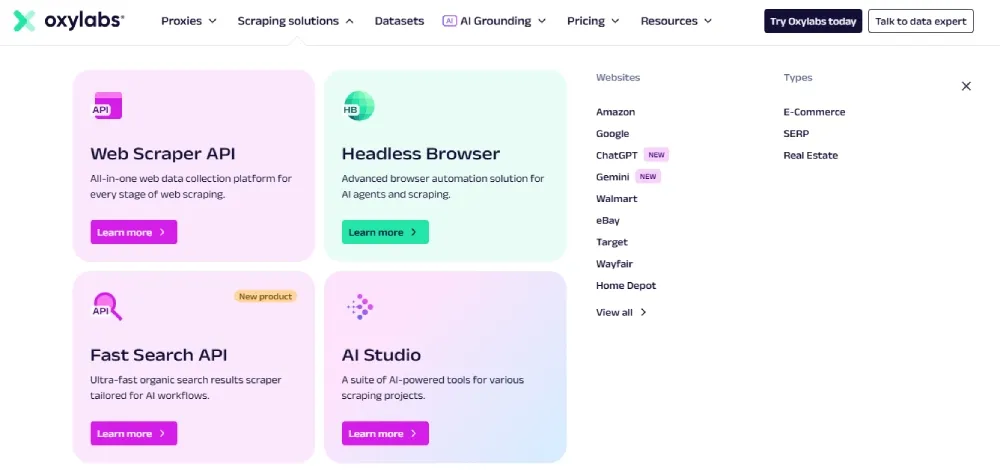
Oxylabs’ API products are designed for teams that need completed data delivery, not just a proxy endpoint. Web Scraper API combines request delivery, JavaScript rendering, retries, and output options. Web Unblocker focuses on accessing pages that apply IP restrictions, browser-fingerprint checks, or challenge pages. SERP Scraper API and E-commerce Scraper API add target-specific structured output for search and retail workflows. Teams that retain their own crawler can compare this model with a web scraping proxy service, where routing is provided but extraction logic remains under customer control.
Why does Web Unblocker cost more than direct proxies?
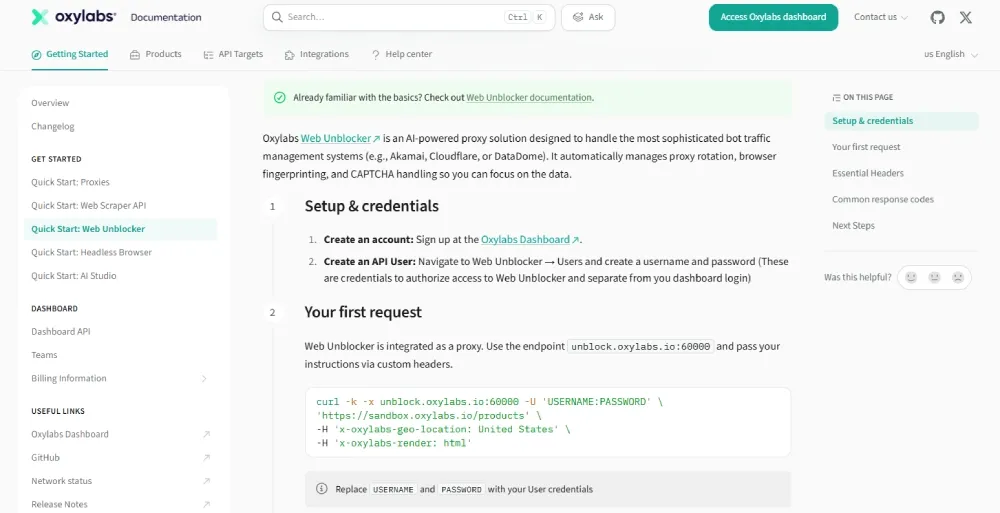
Web Unblocker costs more because it provides an operating layer above network routing. The service handles retry behavior and browser-fingerprint management internally, which kept CAPTCHA triggers very low on the reviewed protected SERP and e-commerce workloads. When an initial request encounters a block or timeout, the service can retry before returning a response. That removes a meaningful amount of engineering work for teams that would otherwise maintain proxy rotation, headers, rendering, and error recovery themselves.
The cost is about $3.50 per 1,000 requests, so it is not economical for every use case. A simple public page with low request volume usually does not need this level of management. It becomes more compelling when a failed page means missed pricing data, incomplete search coverage, or repeated engineering intervention.
Structured output and parser limitations
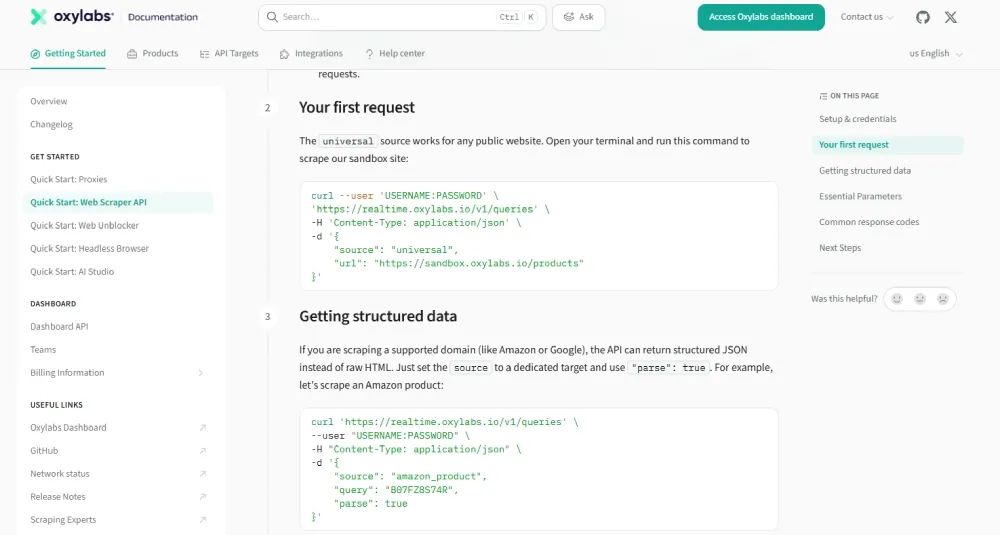
For supported search engines and e-commerce sites, Oxylabs can return clean Hypertext Markup Language (HTML) or parsed JavaScript Object Notation (JSON). The structured response can include fields such as product title, price, currency, availability, seller, review data, and search-result attributes. It reduces client-side parsing work and makes downstream data pipelines easier to maintain.
The constraint is parser dependency. A major Document Object Model (DOM) redesign by a target can briefly affect the structured output until Oxylabs updates its extraction layer. This is a normal managed-scraping risk, not a failure unique to Oxylabs. Teams with highly specialized fields still benefit from retaining their own HTML parser as a fallback.
Performance, IP Quality, and Geo-Targeting Results
Oxylabs’ performance advantage is clearest in residential routing. Average response times stayed within 2.1-2.6 seconds, and the p50, p95, and p99 latency profile remained stable under higher concurrency. The practical effect is fewer delayed batches and fewer individual requests that remain unresolved long after the rest of a job has finished.
The residential success rate was also a major strength. Oxylabs publicly states a rate above 99.95%, while the reviewed results placed its request success and response speed among the leading providers. Web Unblocker’s machine-learning-based fingerprint handling reduced CAPTCHA frequency to a very low level on the observed protected workloads.
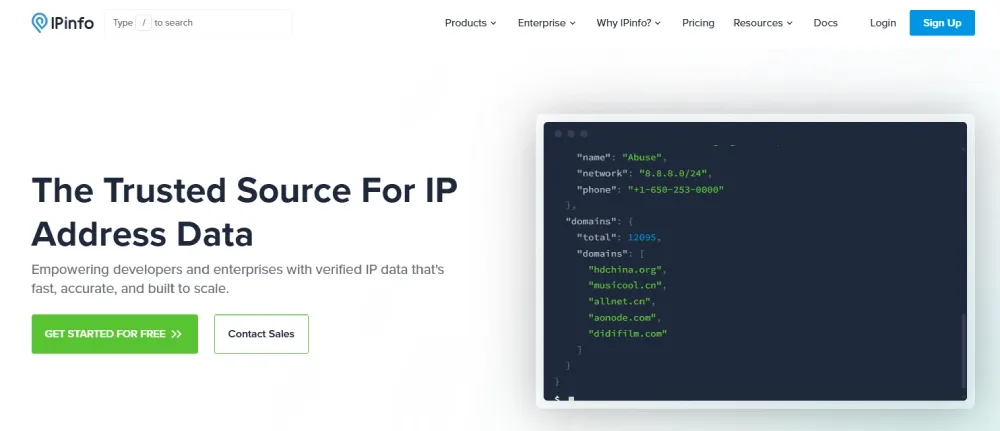
IP quality supported those outcomes. Residential addresses sampled through IP intelligence services such as IPinfo and IPQS generally showed low fraud-risk signals. Pool depth made repeated IP allocation unlikely during frequent rotation. The advantage was most consistent in high-inventory countries. In long-tail regions, the usable city-level pool can be materially smaller than a global headline number, and latency may rise sharply.
The findings translate differently by workload. E-commerce monitoring benefits from successful price and inventory fields, not merely fast responses. SERP tracking benefits from repeatable local results and stable geolocation. Ad verification benefits from city-level routing and clean IP reputation. For large-scale collection, stable p95 and p99 latency protects scheduling and downstream processing more effectively than an attractive average-latency figure alone.
Setup, Dashboard, Documentation, and Support
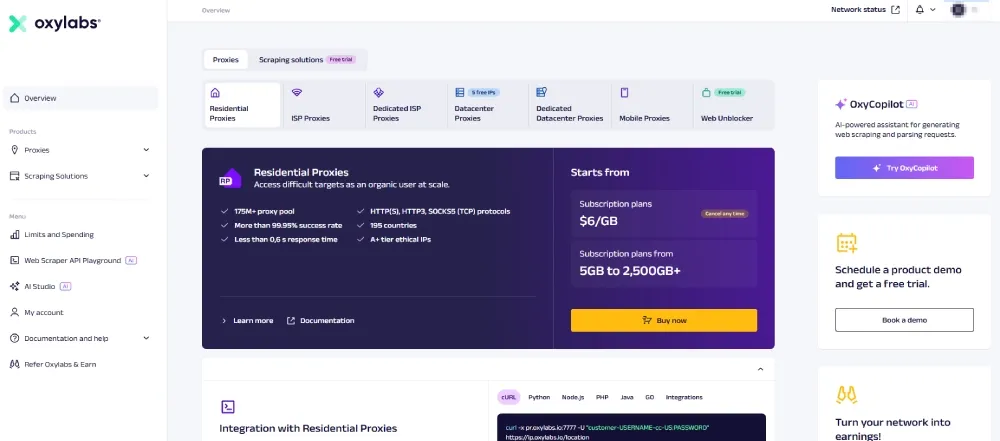
Oxylabs has the account model expected from an enterprise infrastructure provider. The dashboard covers credentials, proxy configuration, API usage, billing, and account-level management. The commercial model is clear once an account is approved, but the path to approval is not frictionless.
Residential products are subject to strict KYC. Applicants commonly need company information and a clear explanation of the intended use case. Approval often takes one to two days, and some users report automated restrictions linked to IP location. This process supports the provider’s compliance and pool-quality controls, but it is a poor fit for an individual developer who needs immediate access for a small task.
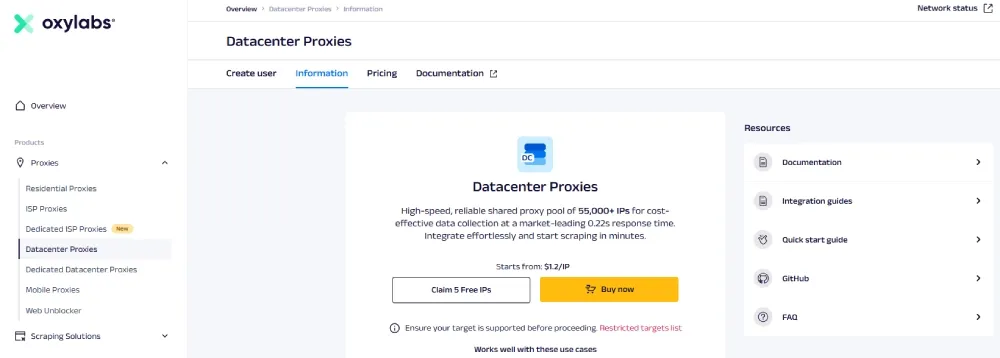
Eligible new accounts can receive a limited trial, including a small amount of free datacenter traffic and, in some cases, API credits. The trial is constrained by traffic limits and product access. Some higher-value targets, including Google Search in certain trial channels, may be restricted. It is adequate for basic integration confirmation but does not represent the full production product range.
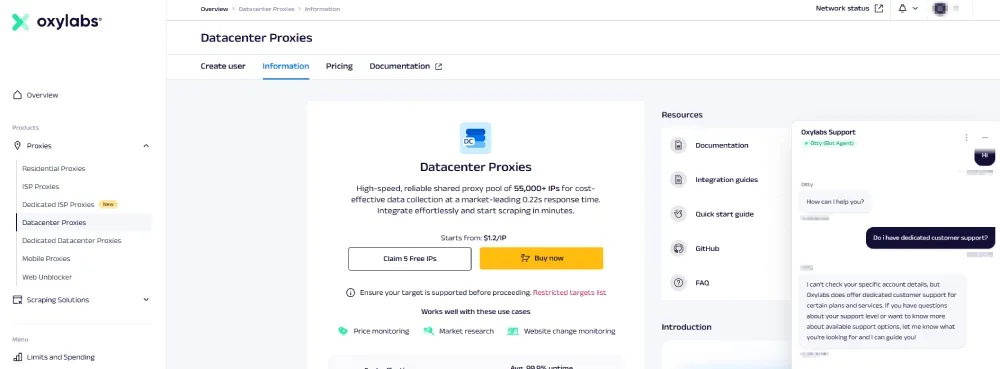
Support quality depends heavily on account tier. Enterprise customers can receive a dedicated account manager, high-availability commitments, and detailed technical support that reaches into scraping architecture. Self-service users rely more on standard tickets and basic live chat; complex anti-bot or risk-control cases can take longer, especially during weekends and holidays.
Oxylabs Pricing and Total Cost of Ownership
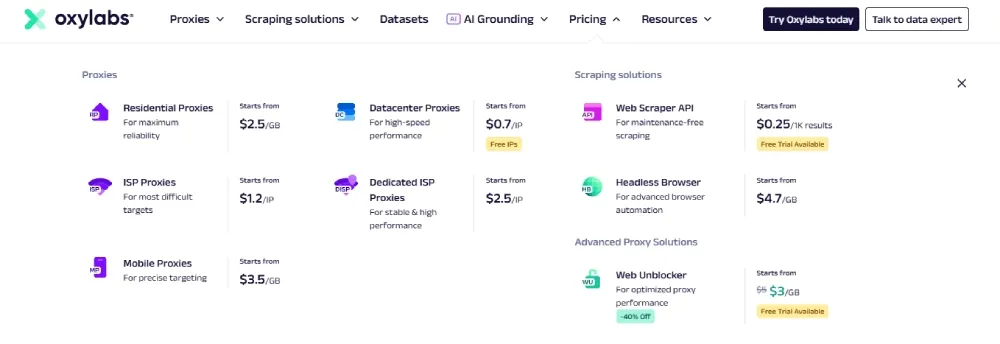
Oxylabs pricing rewards large commitments. The billing dashboard is straightforward, and enterprises committing several thousand dollars per month can reduce residential pricing to approximately $2.50/GB. At that level, strong delivery rates, low CAPTCHA frequency, and reduced internal operations can justify the premium.
Low-volume pricing is much less attractive. Residential proxy traffic begins at roughly $8/GB on a pay-as-you-go basis, and Web Unblocker costs around $3.50 per 1,000 requests. Those rates can make the cost per valid record high for a small crawler or an occasional research task, even when the response quality is excellent.
Refund policy increases the purchase risk. Self-service refunds generally require a request within three days of the first transaction and less than 20% traffic consumption. Enterprise plans typically have a lower 10% usage threshold. Dedicated datacenter proxy purchases are normally non-refundable. Unused traffic on many plans does not roll over into the next month, so uneven workloads can create a real sunk cost.
| Cost factor | Reviewed commercial position |
|---|---|
| Residential entry pricing | About $8/GB for low-commitment usage |
| Large-commitment residential pricing | About $2.50/GB at enterprise volume |
| Web Unblocker | About $3.50 per 1,000 requests |
| Self-service refund period | Within three days of first transaction |
| Self-service refund threshold | Less than 20% traffic used |
| Enterprise refund threshold | Less than 10% traffic used |
| Traffic rollover | Often unavailable |
Is Oxylabs worth the cost?
Oxylabs is worth the cost when data delivery has a direct operational value. That includes large retail catalogs, local search coverage, ad verification, and research pipelines where repeated blocks or incomplete records create more expense than the proxy bill. Teams running catalog or retail checks can also compare the direct-proxy economics of proxies for price monitoring. The value is weaker when a project needs only a few endpoints or can tolerate manual retries and parser maintenance.
Oxylabs Alternatives
Oxylabs competes on delivery quality, deep targeting, and managed scraping operations. Alternatives should be judged by the same dimensions: routing model, usable location inventory, session control, managed API coverage, and the cost of a successful record rather than the cheapest headline price.
| Provider | Best for | Proxy types | Scraping APIs | Geo-targeting | Pricing approach | Main advantage | Main limitation |
|---|---|---|---|---|---|---|---|
| Oxylabs | Enterprise and difficult targets | Residential, datacenter, ISP, mobile | Broad managed suite | Country to ZIP and ASN on supported products | Usage, plans, and enterprise commitments | Strong delivery performance and managed tooling | Premium pricing and strict onboarding |
| Rola IP | Direct proxy control | Residential, datacenter, mobile, static IP | Integration-focused proxy tools | Country and city on supported products | Traffic plans and enterprise options | Flexible rotation, sticky sessions, and authentication | Customer owns more extraction logic |
| Bright Data | Large organizations needing broad tooling | Residential, datacenter, ISP, mobile | Broad API and browser tooling | Extensive controls | Usage and enterprise plans | Mature feature set | Complex commercial model |
| Smartproxy(Decodo) | Small and mid-sized teams | Residential, datacenter, mobile | Selected scraping products | Common country and city controls | Plans and usage pricing | More accessible entry point | Fewer enterprise controls for some workloads |
| SOAX | Location-focused projects | Residential and mobile | Selected API capabilities | Strong location emphasis | Plans and usage pricing | Session and geo controls | Inventory and price vary by region |
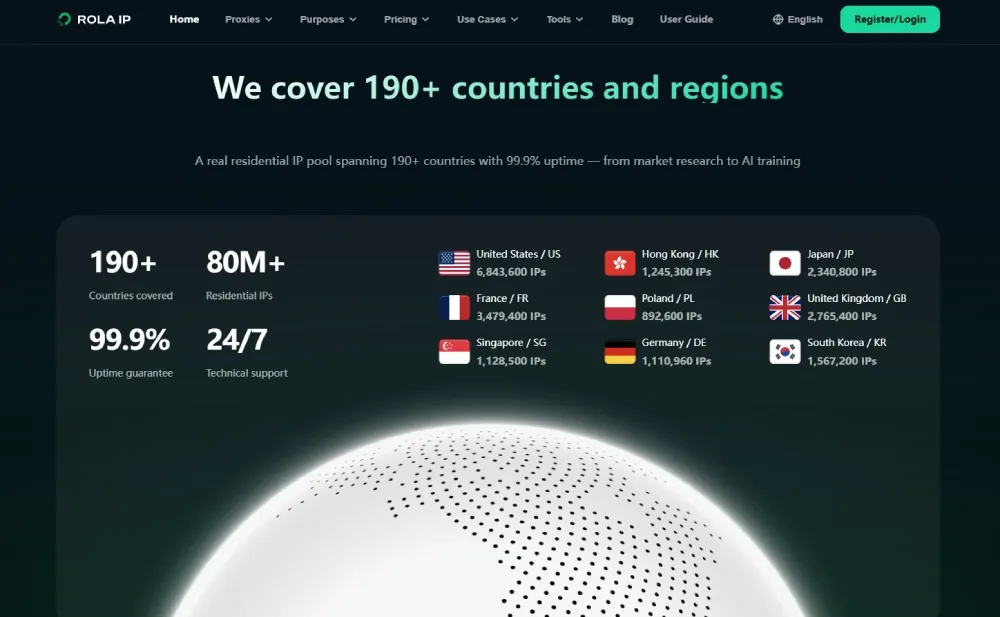
Rola IP is a better alternative for teams that need direct proxy routing rather than a full managed extraction service. Its published product range includes residential, datacenter, and static IP options, HTTP and SOCKS5 support, country and city targeting, rotation, sticky sessions, and traffic-based plans. That model suits teams whose crawler, parser, and monitoring stack are already established.
When is a no-code AI scraper a better fit?
A no-code AI scraper is better for small lists, occasional research, and teams that do not need direct routing control. Tools such as Thunderbit reduce the need to build a crawler, but they are less suited to high concurrency, deterministic geo-targeting, persistent sessions, or long-running data pipelines. Oxylabs is the more capable option when the requirement is governed, repeatable collection at enterprise scale.
Who should consider an alternative?
Small, budget-sensitive teams should consider an alternative when the project only needs a basic endpoint, low traffic, or a simple self-service plan. A direct proxy provider can offer better economics when an internal stack already handles browsers, retries, parsing, and monitoring. Non-technical users with occasional collection needs may be better served by a no-code tool.
Final Verdict
Oxylabs is a strong premium option for enterprise workloads that value reliable delivery, stable tail latency, precise targeting, and managed extraction. Its high traffic and API costs, strict refund terms, possible traffic expiry, and residential KYC friction make a lower-cost direct-proxy provider more suitable for low-volume workflows.